How to Layer Jackets with Mens Casual Shorts and Mens Casual Pants in Cooler Months
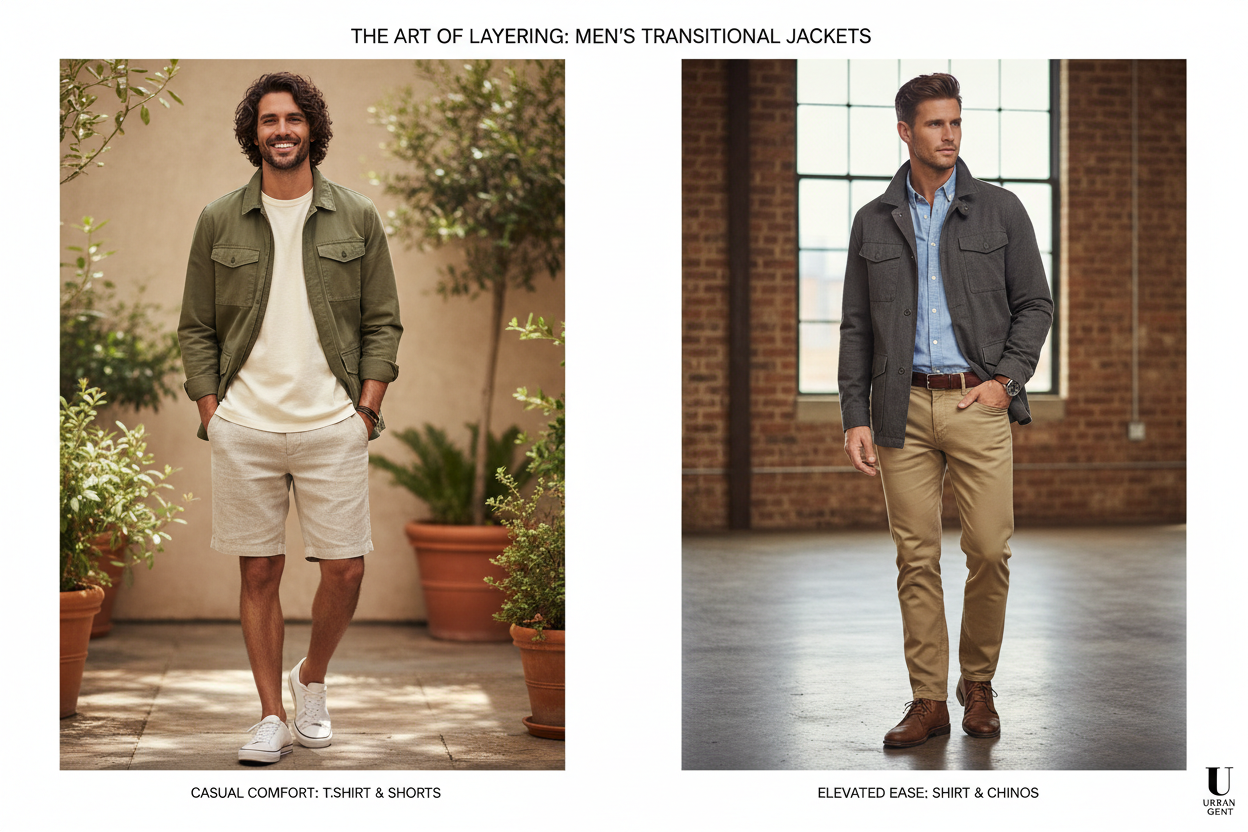
As temperatures begin to drop and transitional seasons approach, many men face a styling dilemma: how do you transition from summer warmth to cooler weather without abandoning the casual aesthetic you've cultivated year-round? The answer lies in mastering the art of layering—a fundamental skill that transforms your wardrobe versatility and ensures you remain both comfortable and stylish throughout the cooler months.
Whether you're pairing your favorite casual shorts with a lightweight jacket for early fall or combining men's casual pants with strategic layering for genuine cold-weather protection, understanding proper layering techniques is essential. Effective layering isn't just about piling on clothes; it's a deliberate strategy that combines proper fit, appropriate fabrics, and strategic color choices to create outfits that look intentional, polished, and effortlessly coordinated.
This comprehensive guide walks you through layering principles, specific formulas, and practical styling strategies to ensure you look great while staying comfortable through every temperature swing.
Understanding Casual Layering vs. Formal Layering
Before diving into specific techniques, it's important to distinguish between casual and formal layering approaches. Casual layering, which applies perfectly to men's casual shorts and men's casual pants styling, prioritizes comfort, movement, and approachability while maintaining visual interest through texture and subtle color variation.
Casual layering allows for more experimental combinations than formal wear. You can mix unexpected fabrics, play with different weights, and incorporate personality through material choices without appearing unprofessional or overwrought. The key distinction from formal layering is that casual combinations embrace relaxed silhouettes and encourage visible texture contrasts.
When styling men's casual pants or shorts with layered jackets, think about creating a look that feels intentional but effortless—as though you threw together complementary pieces rather than meticulously planning every detail.
The Layering Foundation: Base Layers
Successful layering begins from the inside out. Your base layer serves as the foundation upon which all other pieces build, making proper selection crucial for both comfort and aesthetic appeal.
Lightweight T-Shirts and Henleys form the simplest, most versatile base layer. A well-fitted crew neck or v-neck in neutral tones—white, gray, navy, or black—provides the perfect foundation for any casual outfit. These pieces should fit closely without being restrictive, allowing outer layers to drape properly without excessive bulk.
Long-Sleeve Base Layers extend your layering options into genuinely cool weather. Lightweight long-sleeve henley shirts, thermal base layers, or even fine merino wool base layers add insulation while maintaining a slim profile underneath subsequent layers. The key to base layer success is avoiding excess fabric; fitted styles prevent the layered look from becoming visually heavy.
For cooler months, consider investing in high-quality base layer pieces like Heattech alternatives—technical fabrics engineered to trap warmth while remaining thin and breathable. These layers work exceptionally well under men's casual pants or shorts paired with structured jackets, providing genuine temperature regulation without adding visible bulk.
Mid-Layer Strategy: Shirts, Sweaters, and Cardigans
The mid-layer represents where your casual layering outfit truly develops character and style. This is your opportunity to introduce texture, subtle color variation, and visual interest while maintaining the casual aesthetic.
Oxford Button-Down Shirts remain the workhorse of men's casual layering. The heavier cotton weave provides natural warmth while the structured collar and tailored fit create clean lines that prevent the outfit from appearing sloppy. Light blue, white, and subtle checks work beautifully, offering quiet personality without overwhelming the ensemble.
Flannel and Chambray Shirts enhance the casual aesthetic while providing superior warmth compared to lighter cotton options. These fabrics introduce texture naturally, creating visual depth when layered. The unstructured, lived-in appearance of flannel particularly complements casual bottoms—whether men's casual shorts for mild cooler days or men's casual pants for genuine cold.
Merino Wool and Cashmere Sweaters elevate your layering game considerably. A lightweight merino crew neck works seamlessly over a button-down shirt, providing genuine warmth without bulk. The breathability of merino wool makes it ideal for transitional seasons when temperature regulation matters. For more casual aesthetics, consider cotton pullover sweaters or fine-gauge knits that maintain a relaxed vibe while adding insulation.
Cardigans deserve special mention as perhaps the most versatile casual layering piece. A well-fitted cardigan in neutral tones allows you to layer without committing to a full sweater's visual weight. You can leave it unbuttoned over a button-down, creating a sophisticated yet casual effect, or button it partially for a more intentional appearance.
When selecting mid-layer pieces, prioritize fit. Each layer should be slightly looser than the one beneath it, preventing a constricted appearance while allowing proper draping. An oversized shirt over a slim base layer creates unnecessary bulk, while an overly tight sweater over a fitted shirt prevents comfortable layering.
Selecting the Right Jacket: Your Outer Layer
The jacket you choose as your outermost layer dramatically influences your overall aesthetic while serving the practical function of temperature regulation and weather protection. When layering men's casual shorts or men's casual pants, your jacket selection determines whether the outfit reads as intentional or accidental.
Field Jackets and Harrington Jackets represent excellent choices for mild cooler weather. These mid-weight jackets provide genuine warmth without excessive bulk, and their casual aesthetic complements both casual shorts and pants perfectly. The structure of a field jacket grounds an outfit, making even lightweight base combinations appear intentional.
Lightweight Blazers and Sport Coats work beautifully for elevated casual looks—think business casual Friday or date night. A navy or charcoal wool blazer layered over a button-down and sweater creates sophisticated polish while maintaining casual approachability, particularly effective when paired with men's casual pants.
Bomber Jackets and Deck Jackets infuse contemporary style while providing practical warmth. These versatile pieces work equally well over minimal layering (just a t-shirt) or as the final layer in a more substantial combination.
Topcoats and Overcoats excel as the ultimate layering piece for genuine cold weather. Paradoxically, a well-fitted topcoat worn as your primary jacket over a simple shirt or sweater creates a more refined look than multiple heavy layers. The key is selecting topcoats in versatile colors—camel, charcoal, navy, or black—that complement your casual bottoms.
Puffer Vests provide a clever compromise when you need insulation without the bulk of a full jacket. A lightweight quilted vest layers seamlessly under a field jacket or wears standalone over a sweater for days when temperature fluctuates throughout the day.
Specific Layering Formulas for Cooler Months
Understanding proven layering formulas removes guesswork and ensures your outfits look intentional. These combinations work beautifully with both men's casual shorts (for mild autumn days) and men's casual pants (for genuine fall and early winter).
The Casual Two-Layer Combination: For early autumn when it's only slightly cool, simply pair your base layer with a field jacket or unbuttoned cardigan. A white t-shirt with an olive field jacket and khaki casual pants creates effortless, instantly wearable style. This approach works perfectly for men's casual shorts too—pair a henley or lightweight long-sleeve with a blazer and you're dressed for transitional weather.
The Classic Three-Layer Look: When temperatures drop noticeably, add a mid-layer. Start with your base layer (white t-shirt or lightweight henley), add a crew neck sweater or Oxford button-down, then finish with a structured jacket—perhaps a charcoal blazer or wool harrington. This formula works exceptionally well with men's casual pants, creating visual interest through texture layering while maintaining casual sophistication.
The Heavy-Duty Four-Layer System: For genuinely cold weather, start with your base layer, add a long-sleeve shirt or henley, layer a sweater or cardigan over top, then finish with your jacket. This approach provides serious insulation while maintaining clean visual lines. A light blue Oxford under a charcoal crew neck under a camel topcoat with navy men's casual pants creates sophisticated cold-weather style.
The Oversized Jacket Approach: Sometimes a single oversized jacket worn over minimal layering creates more intentional style than multiple heavy layers. A slightly roomier field jacket or topcoat layered over just a t-shirt and jeans allows the jacket itself to become the styling focal point.
To explore more styling options and find the perfect pieces for these layering formulas, visit the Sportsman Ltd collections page featuring our full selection of men's casual shorts and men's casual pants in various weights and styles suitable for layering.
Color and Fabric Strategy
Successful casual layering depends significantly on thoughtful color choices and fabric selection. The principle remains simple: lighter colors and thinner fabrics belong closer to your body, while darker colors and heavier fabrics comprise your outer layers.
Light-to-Dark Color Progression: Begin with a light or neutral base layer—white, cream, or light gray. If adding a mid-layer, consider stepping slightly darker: light blue, medium gray, or taupe. Your outermost layer should typically be your darkest and most saturated option: charcoal, navy, olive, or black. This progression creates visual sophistication while naturally directing attention toward your face.
Neutral Foundation with Subtle Accent: The most foolproof casual layering approach utilizes neutral tones throughout with a single subtle accent. Maintain your base and mid-layers in neutrals, then introduce a pattern or slightly warmer tone in your jacket. A white base, gray sweater, and camel topcoat exemplifies this approach perfectly.
Fabric Mixing for Visual Interest: Combine different textures for visual appeal. Smooth cotton base layers layered with textured flannel middles and wool jackets create rich visual dimension without appearing chaotic. The key is ensuring each fabric differs enough to create interest while maintaining cohesion through color harmony.
Seasonal Color Palettes: Autumn layering traditionally emphasizes warm neutrals—camel, tan, olive, burgundy, and bronze—paired with cool bases of navy, charcoal, and white. These combinations feel seasonally appropriate while remaining timelessly stylish.
Avoiding Common Layering Mistakes
Understanding what NOT to do prevents several common aesthetic pitfalls.
The Bulk Problem: Too many heavy layers create an uncomfortable, visually overwhelming appearance. Stick to maximum 3-4 layers total, prioritizing lightweight options. Remember that one excellent quality piece often outperforms multiple mediocre pieces.
Ignoring Proper Fit: An oversized base layer or constricted mid-layer ruins even excellent layering combinations. Each piece should fit the person wearing it, not the generic size. When layering, consider sizing down in outer layers to prevent excessive bulk.
Color Chaos: Layering too many competing colors or patterns creates visual confusion. Stick to maximum two colors plus neutrals, keeping one color dominant and the second as a subtle accent.
Mismatched Aesthetic: Combining drastically different style levels rarely works. Pairing a structured blazer with a worn-in hoodie requires intentional styling; combining a casual t-shirt with a formal topcoat without additional mid-layer context appears misguided.
For guidance on selecting pieces that layer well together, visit the Sportsman Ltd homepage to explore our curated selection of men's casual clothing designed with layering versatility in mind.
Frequently Asked Questions About Layering
Q: Should I size up when layering to accommodate multiple pieces?
A: Not necessarily. Well-fitting base layers designed for layering shouldn't require sizing up. Instead, consider sizing down in outer layers. A medium jacket over fitted small base layers creates cleaner lines than oversized pieces throughout.
Q: What's the maximum number of layers I should wear?
A: Three to four layers represents the practical maximum for most casual outfits. Beyond this, you risk looking bulky and overheated. Prioritize quality and fit over quantity.
Q: How do I know if my layering looks intentional vs. accidental?
A: Intentional layering shows clear color progression, complementary textures, and pieces that relate stylistically. Accidental layering mixes drastically different aesthetic levels without apparent connection. If you can articulate why each piece complements the others, your layering likely reads as intentional.
Q: Can I layer with casual shorts in fall?
A: Absolutely. Pair shorts with long-sleeve base layers, sweaters, and structured jackets for a contemporary casual-smart aesthetic. This works particularly well on mild autumn days. Ensure your men's casual shorts fit well and your layering above compensates for exposed legs.
Q: Which fabrics layer best together?
A: Breathable natural fibers layer most effectively. Cotton + wool + linen combinations work beautifully. Avoid layering multiple heavy synthetic pieces, which trap heat inefficiently and create excessive bulk.
Q: How do accessories factor into layering?
A: Scarves, beanies, and gloves enhance layering without adding volume. A scarf worn with layered pieces completes the look while providing genuine warmth. Keep accessories minimal to avoid overwhelming your carefully layered outfit.
Q: Should my layered outfit match perfectly or can pieces be mismatched?
A: Intentional mixing creates contemporary style, but pieces should relate through color, tone, or aesthetic level. Perfect matching appears overly coordinated and less casual. Aim for cohesion rather than perfect matching.
Mastering Layering for Year-Round Casual Style
Layering represents one of the most practical and stylistically rewarding skills in men's casual fashion. By understanding core principles—thin to thick, light to dark, fitted to structured—you transform your wardrobe's versatility dramatically. Whether styling men's casual shorts for mild autumn days or layering men's casual pants with multiple pieces for genuine cold weather, these principles ensure you remain comfortable, warm, and intentionally stylish.
The beauty of mastery lies in confidence. Once you understand layering fundamentals, you'll instinctively know which pieces work together, recognize quality pieces that layer well, and develop a personal style that transcends seasonal limitations. Your casual wardrobe transforms from a collection of disparate pieces into a cohesive system where individual items combine endlessly into fresh combinations.
Start experimenting with simple two and three-layer combinations, paying attention to fit, color progression, and fabric interaction. Over time, building outfits becomes intuitive rather than deliberate. You'll develop a keen eye for pieces that layer well, and your confidence in styling transitions between seasons will become second nature.
Ready to refresh your casual wardrobe with pieces that layer beautifully? Explore our complete collection of men's casual pants, shorts, jackets, and layering pieces at the Sportsman Ltd collections page, or visit our store to experience our full selection firsthand.
The Sportsman Ltd
Address: 129 N Main St, Logan, UT 84321
Phone: (435) 752-0211
Hours: Tuesday-Friday 9am-7pm | Monday & Saturday 9am-6pm | Closed Sunday